
The What, Why, and How of Programming
Part 1 of Ground Zero: Programming from the Ground Up
Last updated on May 8, 2026
An answer to the questions: "What is programming?", "Why should I learn how to program?", and "How do I program?"
What is programming?
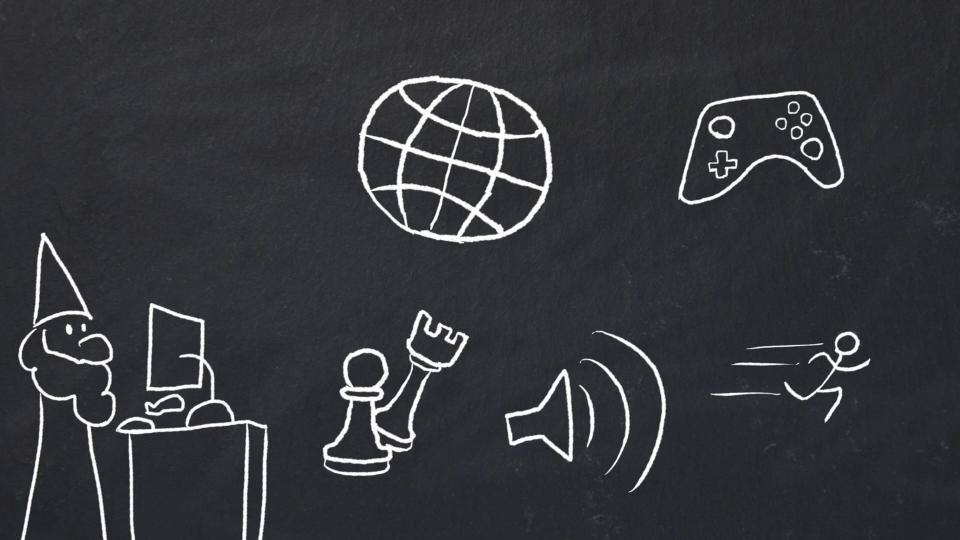
You may have heard about magical wizards that sit behind computer screens all day and make computers do whatever they want. Some create elaborate video games, others complicated websites, and still others that make robots move, speak, and beat people at chess. But what is programming really? At a very basic level, it's just giving a computer a list of instructions to follow one by one.
Imagine it somewhat like baking cookies: First, you need to know what ingredients the cookie recipe asks for. In other words, what do you want this computer program to be able to do? Chocolate chip cookies and peanut butter cookies are both cookies, but they can taste very different. Same with computer programs. One may be your favorite game this year, and another may be the app you use to remind yourself to take out the trash. These programs will have different parts to them, like 3D models for characters, or a database to store a list of reminders.

Second, you need to know what tools it takes to make the cookies. You probably need at least one large bowl, something to mix the ingredients, some measuring cups and spoons, and maybe a cookie cutter or two. While a lot of recipes may use similar tools, some recipes may require different tools, like a food processor. Similarly, programs can often have common tools to make them, but different types of programs can require completely different tools. For example, you likely need a game engine to make a video game, but you don't usually use a game engine to make a website.
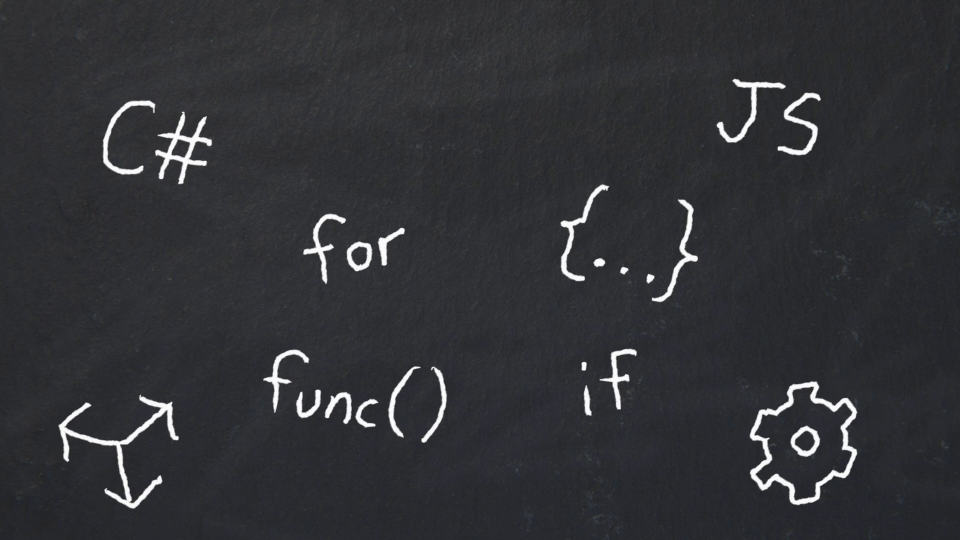
Once you know the ingredients and tools needed to bake your cookies, you then need to actually bake them. It can be easy to spend hours thinking about what tools you want to use for making your program, but eventually you just need to start making it. So while programming often includes a research process to find the needed ingredients and tools, the majority of programming is making and fixing the computer program you are working on.
Why should I learn how to program?
So, if there are plenty of people already programming computers, why should you learn how to program? Well, for one, people can't program forever. Eventually, new people will need to take their place. What about AI? Won't AI just replace programming jobs? I won't dive into AI much for now, but I'll answer with a question: If calculators exist, why should we learn how to do math? Calculators and AI aren't perfect and can make mistakes. They also require knowledge of math and programming to use effectively anyway.

Besides, imagine where society would be if no one learned anything anymore. There's plenty of Sci-Fi material out there that shows what happens when society is lazy, uneducated, and completely dependent upon robots to know and do everything for them. We were made with brains and a capacity to learn for a reason. The more we know, the better decisions we can make, and the greater positive impact we can have on society.

That's just some reasons why we should learn. What about programming? Why should you learn how to program? Well, it's a great skill to learn and very much increases your ability to solve problems. A major part of programming is solving problems, whether the program is designed to solve a particular problem, or you need to solve a problem that's causing your program to not work properly.
Learning about programming and other related computer science skills can greatly improve your life in the very much tech-driven world that we live in. For one, there are a lot of computer science jobs out there. They all look different, because they solve different problems, but there are a lot of problems that computers (and therefore programmers) can help solve. For example, there are many computer programs that help in the medical field to keep people alive and develop new medical treatments. Education itself wouldn't be the way it is today without the help of the internet sharing knowledge of many kinds of subjects all over the world.

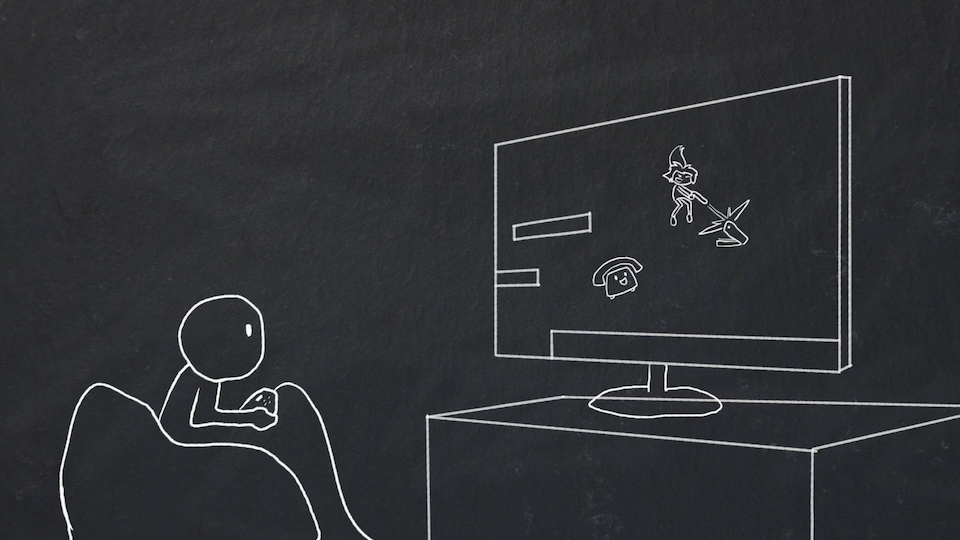
Furthermore, learning how to program can give you a greater understanding and appreciation of the many technologies you encounter on a daily basis. Speaking from the perspective of a web and game developer, I love thinking about how the different websites I use and games I play were made. Because of my knowledge in these areas, I can sometimes replicate what they do, or at least better understand the ways they work and why they sometimes have problems. Is your character stuck in the wall? Physics in video games can be hard, so I gain empathy for the developers rather than just anger that my character is stuck in the wall.
How do I program?
Okay, so now that you understand what programming is and why you should learn how to do it, how do you program? Is it truly magic, or can anyone do it? While I wouldn't say programming is for everyone, because we are all gifted in different ways, it's definitely not magic nor is it completely inaccessible. If you have access to a computer, you likely have access to programming of some sort.
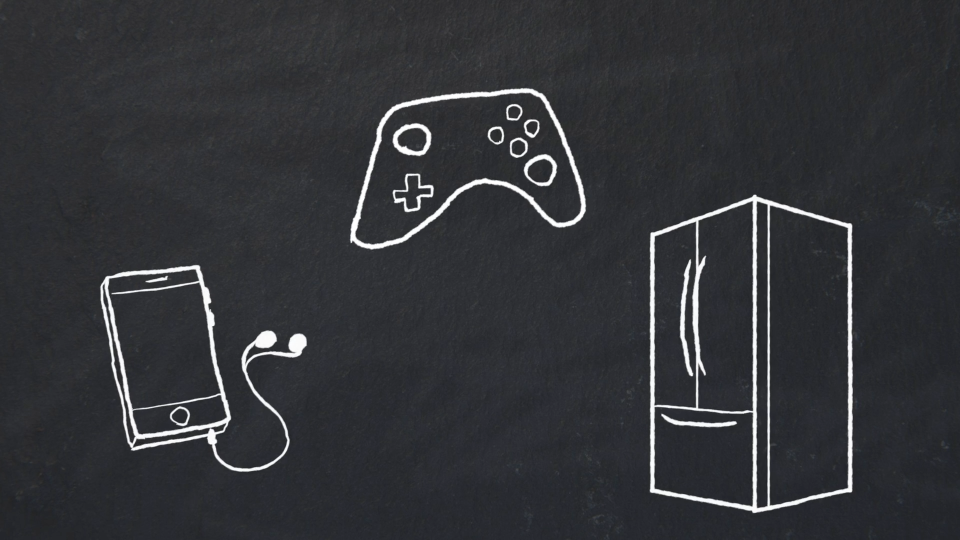
Like I said earlier, different programs require different ingredients and different tools. What are you wanting to program? That will drive what you learn and how you program. Are you looking to make video games? What about mobile apps? Programs for your smart refrigerator? These can all be very different, and there is a lot of information out there on different programming topics. Pick a topic, and start researching it. Want to learn more about game development in particular? Stick around for in-depth tutorials for anyone from a complete beginner to an expert developer.
If you do want to learn how to program, give it a fair shot. It's going to be difficult at the start (just like any other skill), but very worth the time and effort it takes. You'll make a lot of mistakes, but you will learn so much from them. After over a decade of programming experience, I still have a lot to learn and make plenty of mistakes. However, the mistakes I've made over the years have also taught me a lot and enabled me to better help others learn as well. After all, if you've faced a particular problem 10 times, you'll have a much better time helping out a friend facing it for the first time.

Also, I can't say this enough: be patient. Be patient with yourself, the computer, and anyone helping you. Learning doesn't happen instantly, and you can't microwave knowledge into your head. It takes time, especially to truly understand programming. Cramming knowledge into your skull the night before you need it doesn't help much, and you'll likely forget it shortly afterward. Take your time learning, develop your programs slowly, and you'll not only learn a lot more and better, but you'll also make less mistakes. It's often rushing that makes you spend more time than if you just did it slowly and thoughtfully the first time.

The same logic applies to baking cookies. If you are in a hurry, you'll likely forget an ingredient, add too much or not enough, leave it in the oven for too long or take it out early, among other problems that could happen. But, if you slow down, bake cookies a lot and often, get help, and learn from your mistakes, you can become a great baker of delicious cookies.
While we at CAYA United aren't here to teach you how to bake cookies, we are here to teach you how to develop games better and how to game better, all while helping you to become a better person. If this interests you, stay tuned for more game dev tutorials and life advice. In the meantime, God bless, and don't eat too many cookies.